
- Medical License No.: 144189
- 021-8805 0794
Dr. Zahra Sadat Shamekhi
General Dentist

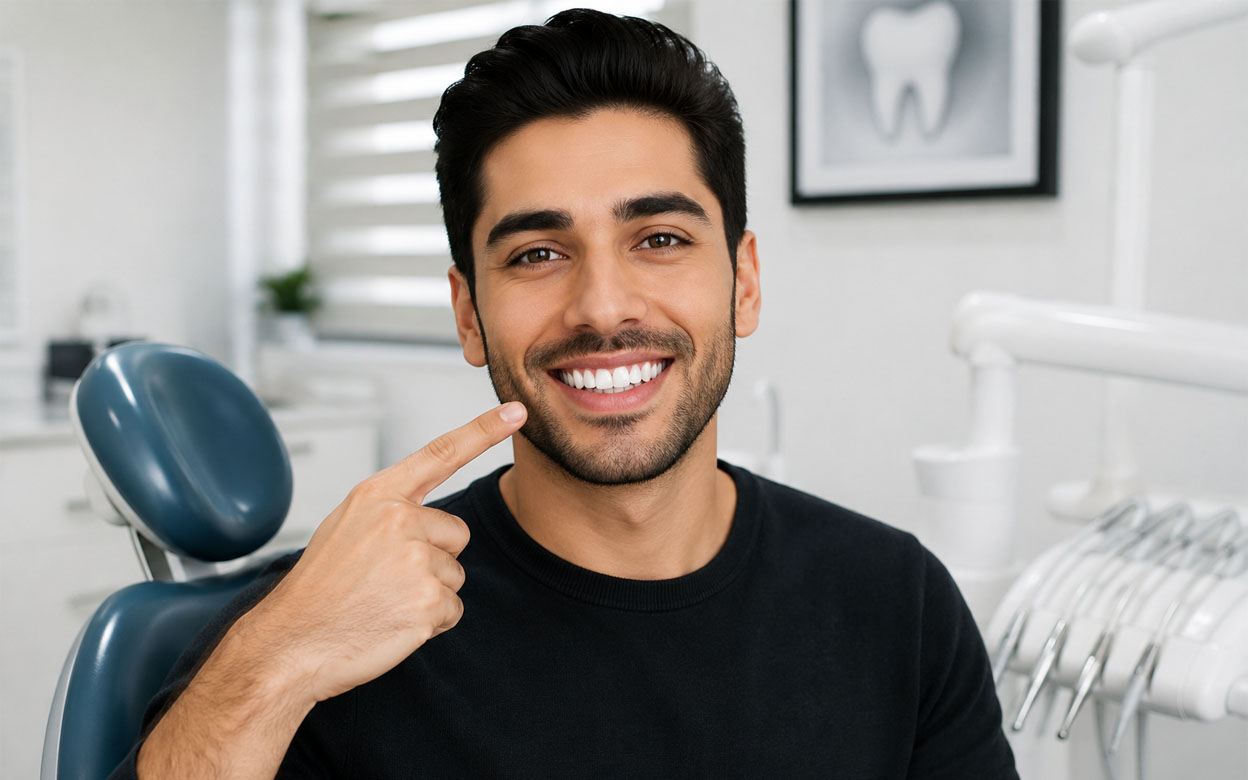
Having veneers does not mean you can stop caring for your teeth. Brush your teeth at least twice a day with a soft-bristled toothbrush and use dental floss to clean between your teeth.
Keeping your teeth and gums clean helps prevent tooth decay and gum disease.
One of the most important aspects of dental veneer care is avoiding unnecessary pressure on your teeth.
Do not use your teeth to:
Open packages
Break ice
Bite pens or pencils
Open bottle caps
Bite hard objects
These habits can damage or chip your veneers.
Foods such as ice, hard candy, very hard nuts, and bones can place excessive pressure on your teeth.
If you eat hard foods, avoid applying strong, direct pressure to your veneered teeth.
High-quality porcelain veneers are generally highly resistant to staining. However, the natural teeth surrounding them can still become discolored.
Frequent consumption of:
Coffee
Tea
Dark-colored soft drinks
Colored beverages
Cigarettes and tobacco products
can affect the overall appearance of your smile.
If you grind or clench your teeth while sleeping, the constant pressure can damage your veneers.
In such cases, your dentist may recommend a night guard to protect your teeth and veneers while you sleep.
For daily oral care, use a soft toothbrush and a suitable toothpaste. Avoid highly abrasive or aggressive whitening toothpastes unless your dentist recommends them.
Excessively abrasive products may gradually affect the surface of certain dental restorations.
Even if your veneers look completely healthy, regular dental visits are important.
Your dentist can examine the condition of your veneers, gums, and natural teeth underneath and around the veneers and identify potential problems at an early stage.
Smoking can negatively affect gum health and may also impact the overall appearance and health of your smile.
Quitting tobacco is one of the best steps you can take to maintain healthy gums and preserve the results of cosmetic dental treatments.
Yes, but veneer care is not complicated.
Maintaining good oral hygiene, avoiding excessive pressure on your teeth, and attending regular dental check-ups can help you enjoy your veneers for many years.
Remember that dental veneers do not replace regular oral hygiene. The natural teeth underneath and around the veneers still need proper care.
Yes. High-quality porcelain veneers are durable, but like any dental restoration, they can potentially chip, crack, or become damaged because of:
Severe impact
Excessive pressure
Teeth grinding
Biting hard objects
Poor oral habits
If a veneer becomes damaged, do not try to repair or remove it yourself. Contact your dentist for an evaluation.
The lifespan of dental veneers depends on several factors, including the type and quality of the veneers, the condition of your teeth and gums, your eating habits, teeth grinding, oral hygiene, and the quality of the dental treatment.
With proper care, porcelain veneers can last for many years. However, no veneer is considered permanent, and replacement or repair may eventually be necessary.
Increasing the lifespan of dental veneers does not require complicated routines. Regular brushing, daily flossing, avoiding very hard foods, managing teeth grinding, reducing tobacco use, and attending regular dental check-ups are among the most important aspects of veneer care.
When veneers are properly placed and well maintained, you can enjoy a beautiful and natural-looking smile for many years.