
- Medical License No.: 144189
- 021-8805 0794
Dr. Zahra Sadat Shamekhi
General Dentist

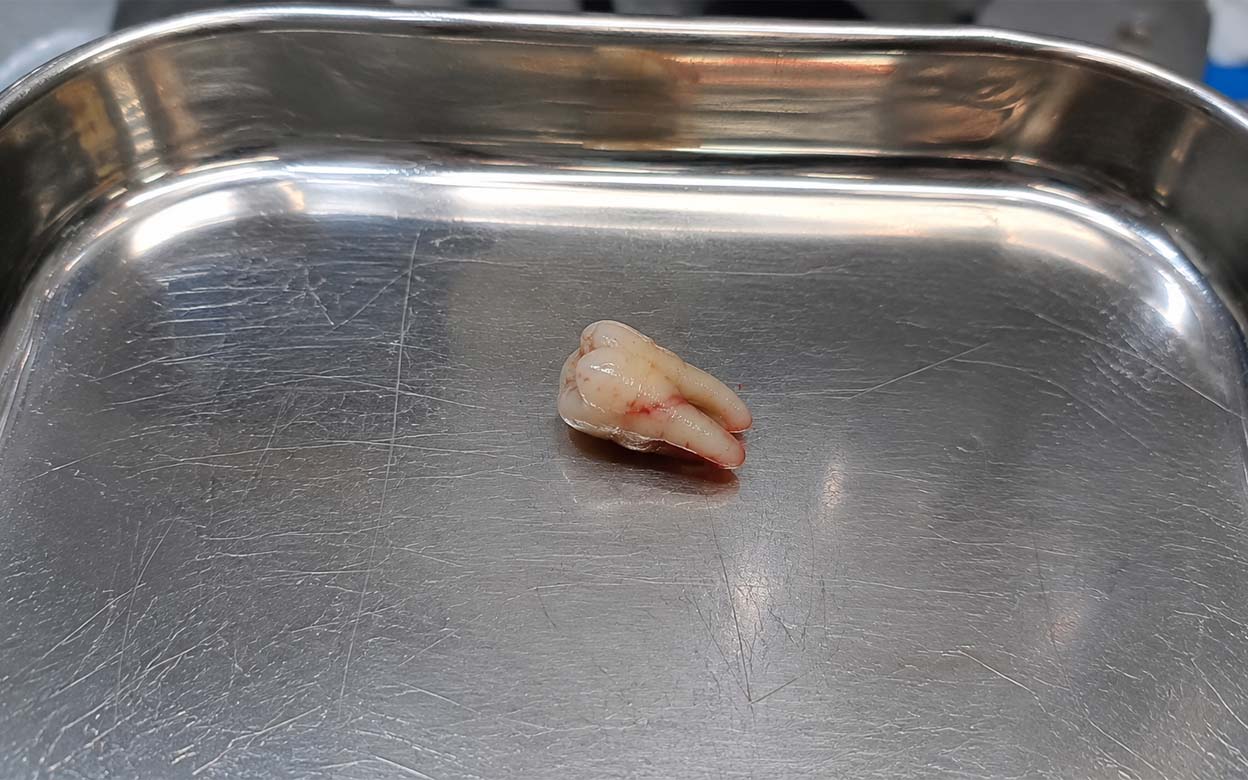
For the first few hours after extraction, follow these important recommendations:
Keep the gauze placed by your dentist in position and gently bite down on it.
Avoid touching or irritating the extraction site with your tongue or fingers.
Rest and avoid strenuous physical activity for the first 24 hours.
Take prescribed medications exactly as directed by your dentist.
Avoid smoking and tobacco products.
Do not rinse your mouth vigorously during the first 24 hours.
Sleep with your head slightly elevated if there is bleeding or swelling.
These measures can help the blood clot remain in place and support normal healing.
Choosing the right foods can make recovery easier and reduce irritation around the extraction site.
During the first day, choose soft and easy-to-chew foods such as:
Yogurt
Mashed potatoes
Soft soups at a lukewarm temperature
Applesauce
Smoothies without a straw
Scrambled eggs
Soft pasta
Pudding
Banana
Soft rice
As the extraction site heals, you can gradually return to your normal diet.
For several days after tooth extraction, avoid foods that can irritate the wound or become trapped in the extraction site.
Avoid:
Hard and crunchy foods
Nuts and seeds
Popcorn
Chips
Very spicy foods
Very hot foods and drinks
Sticky foods
Alcoholic beverages
Foods that require excessive chewing
It is also better to chew on the opposite side of your mouth.
Yes. Drinking water is important for staying hydrated. However, avoid drinking through a straw because the suction can dislodge the blood clot and increase the risk of dry socket.
Yes, but be gentle.
You can usually brush the other teeth normally while avoiding direct contact with the extraction site during the first day. After 24 hours, your dentist may recommend gentle rinsing with warm salt water.
Do not brush aggressively around the extraction area.
Some habits can delay healing or increase the risk of complications.
Smoking can interfere with healing and significantly increase the risk of dry socket and infection.
Vigorous rinsing during the first 24 hours may dislodge the blood clot.
Heavy exercise can increase blood pressure and may cause bleeding from the extraction site. It is generally better to rest during the first 24 hours.
Very hot foods and beverages may irritate the extraction site and can contribute to bleeding.
Avoid touching the area with your fingers or repeatedly checking it with your tongue.
Initial healing usually takes several days, while complete healing of the gum and underlying bone can take considerably longer.
The exact healing time depends on factors such as:
The type and location of the extracted tooth
Whether the extraction was simple or surgical
Your general health
Oral hygiene
Smoking habits
Whether an infection was present
Following your dentist's instructions can help promote faster and safer healing.
Mild pain, swelling, and tenderness are common after tooth extraction. These symptoms generally improve gradually over the following days.
Your dentist may recommend pain medication to control discomfort. Take medications according to the instructions provided by your dental professional.
If pain becomes severe, gets worse instead of better, or returns several days after extraction, contact your dentist.
Contact your dentist if you experience:
Severe or persistent bleeding
Increasing pain several days after extraction
Significant swelling
Fever
Pus or an unpleasant taste in your mouth
Difficulty swallowing or breathing
Persistent numbness
A suspected dry socket
Prompt evaluation can help prevent more serious complications.
A dry socket occurs when the blood clot that normally forms in the extraction site becomes dislodged or breaks down too early.
To reduce the risk:
Do not smoke.
Avoid using a straw.
Do not rinse your mouth forcefully.
Avoid touching the extraction site.
Follow your dentist's aftercare instructions carefully.
Maintain good oral hygiene without disturbing the wound.
Soft, cool or lukewarm foods such as yogurt, mashed potatoes, pudding and soft eggs are good choices.
The longer you avoid smoking, the better. Smoking during the early healing period can significantly increase the risk of complications, particularly dry socket.
It is best to avoid very hot coffee during the first day. Follow your dentist's specific recommendations.
You can gradually return to your normal diet as pain and sensitivity decrease and the extraction site heals.
Proper care after tooth extraction plays an important role in preventing complications and supporting faster healing. Choose soft foods, drink plenty of water, avoid smoking and alcohol, do not use a straw, and keep the extraction site undisturbed.
If you experience severe pain, persistent bleeding, increasing swelling, fever, or other unusual symptoms, contact your dentist promptly.